I created this website as a way to present and offer for sale the collection I designed this semester.
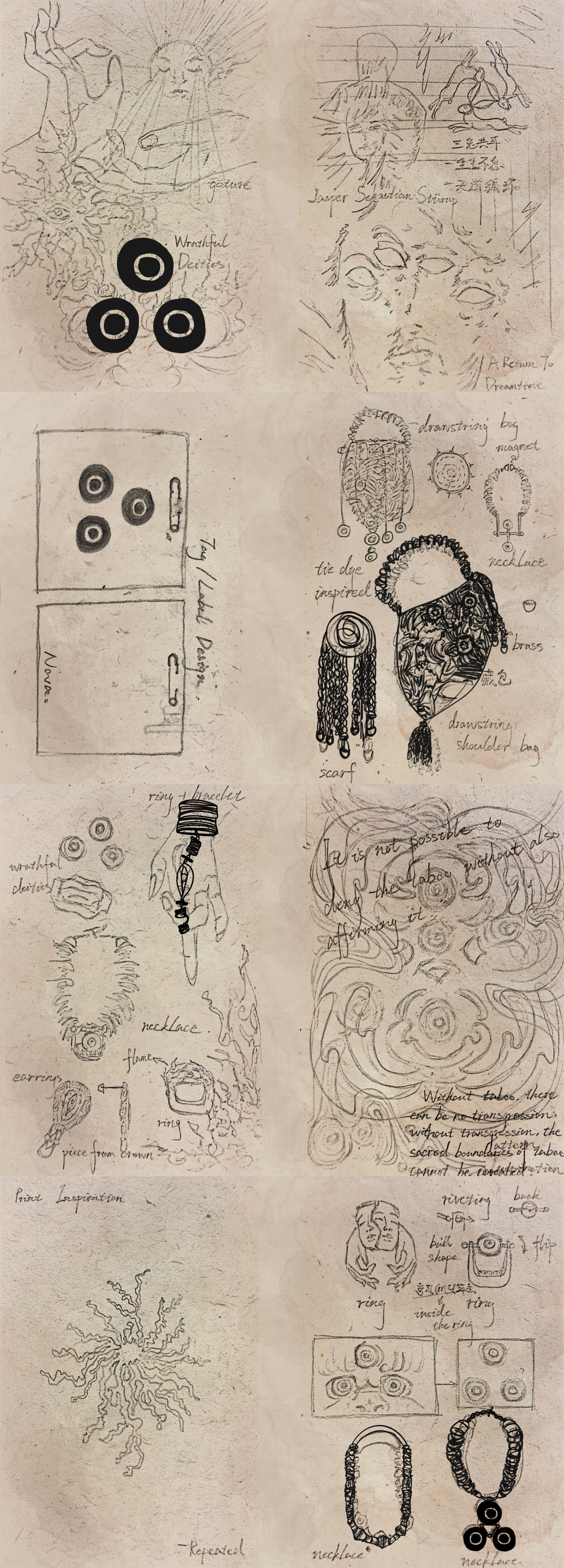
Instead of showing the work through a standard slideshow or a flat portfolio page, I wanted something that felt more personal and connected to how the pieces were actually created.
Discovery and Research
Before building the website, I spent time understanding what kind of online experience would actually support the sale and presentation of my collection.
Understanding how people browse creative work
I noticed that when people look through online portfolios, they often scroll quickly unless something visually interrupts them.
This made me think:
What if the entire screen feels like an artwork instead of a webpage?
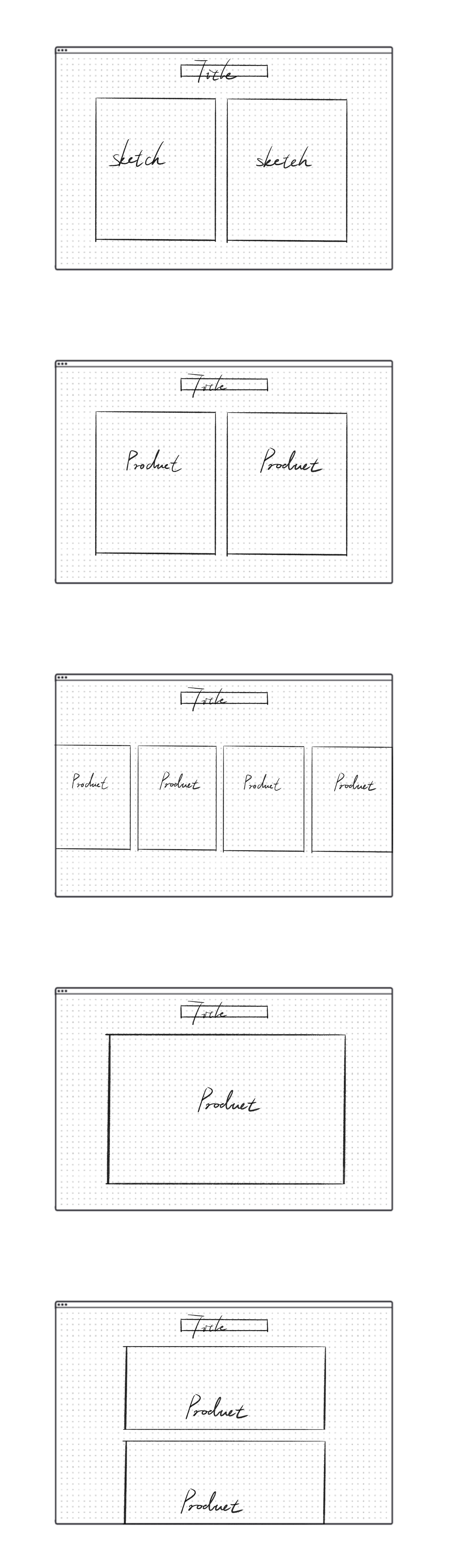
What if the viewer discovers the final pieces by interacting with the sketches, instead of being told where to click?
This discovery changed the whole direction of the website.
Reference Sites
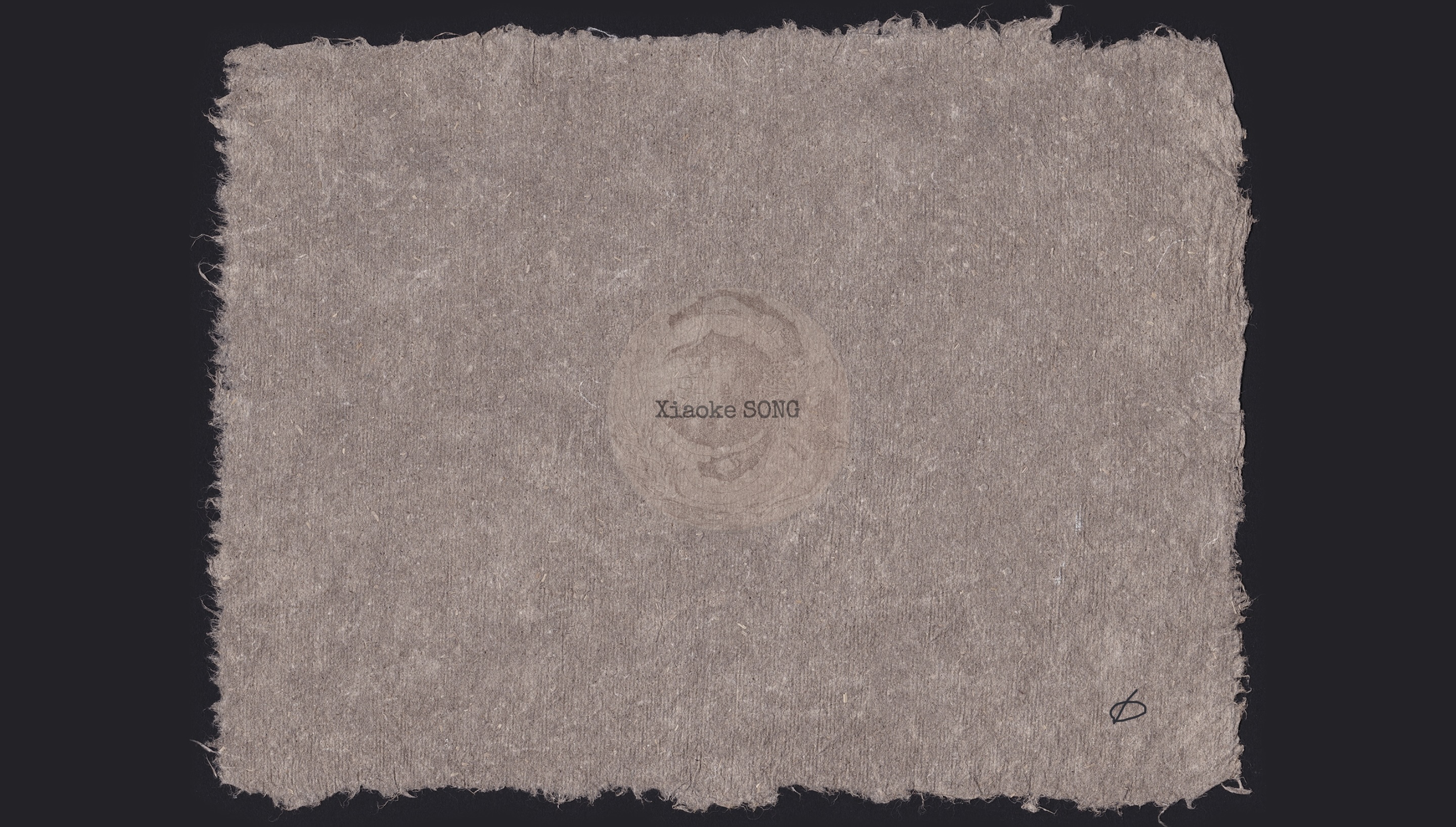
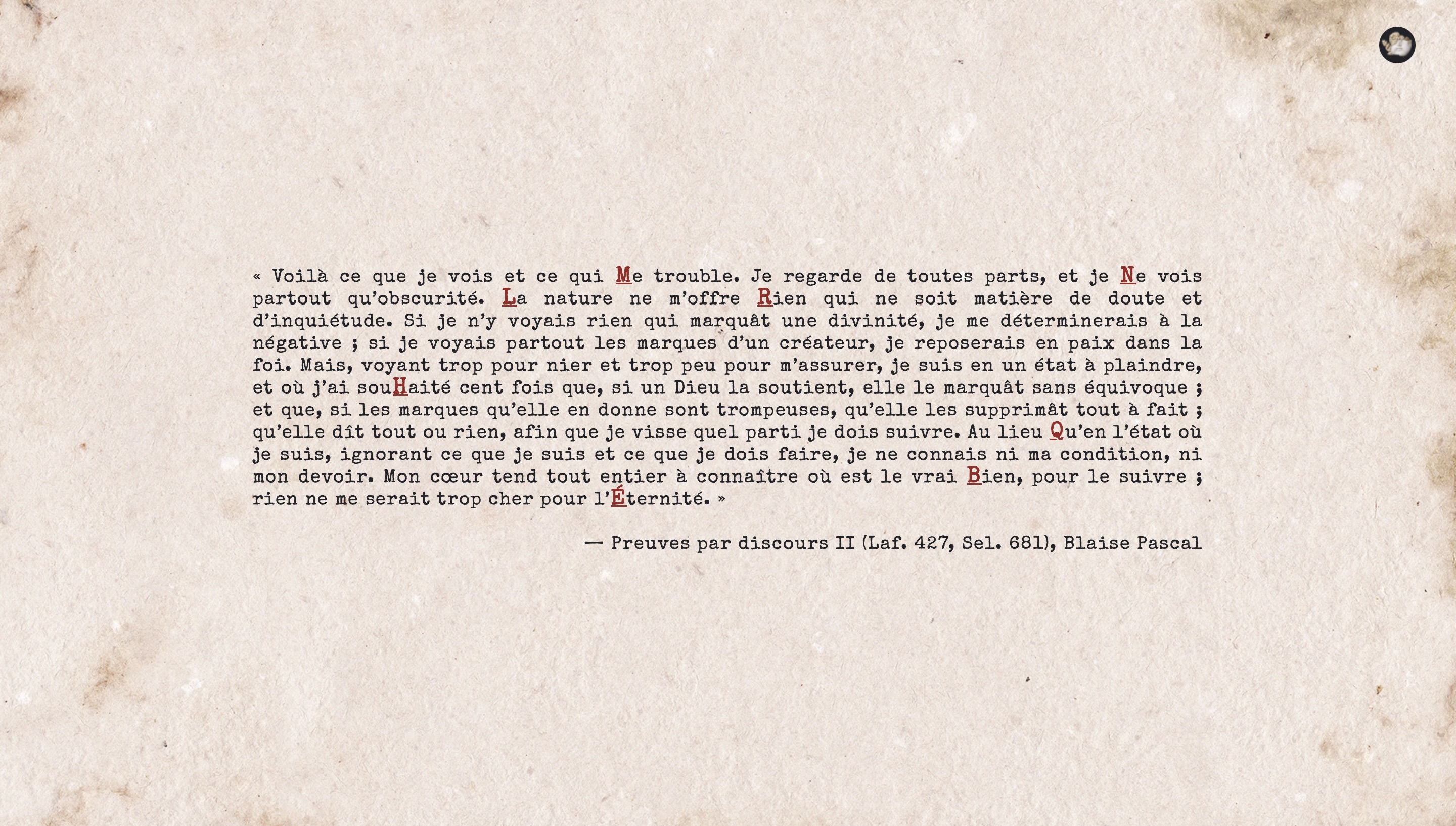
Xiaoke Song
I'm drawn to Xiaoke Song's personal site as a jewelry designer. You enter by clicking a circular badge with his name, and inside a paragraph hides clickable letters that open other sections. The neutral tone echoes the calm precision of his pieces, so the interactivity feels intentional rather than flashy. It's distinctive, engaging, and still easy to navigate.
Target Audience
Demographics
Gender: Fluid.
Profession: Artists, designers, stylists, collectors, creative thinkers.
Lifestyle: Independent, introspective, appreciates slowness and mindful making.
Location: Found in cultural hubs — Shanghai, Kyoto, Milan, Paris, Berlin.
Shopping Habits: Prefers small-batch, handcrafted.
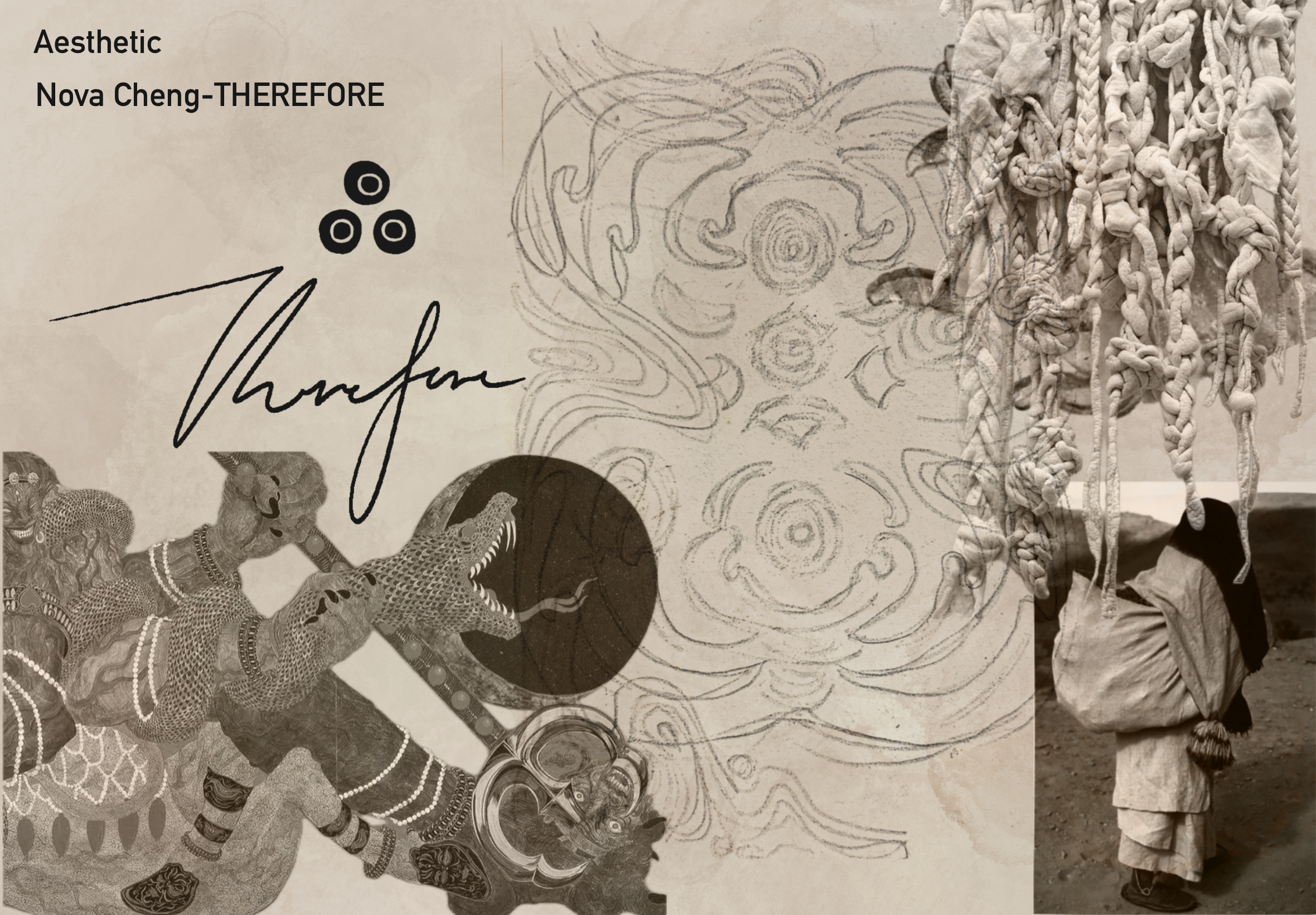
Favors muted, earthy tones — black, bronze, grey, aged metal finishes.
Values craftsmanship and material honesty
over trend or polish.
Inspiration and Concepts
While designing the site, I focused on ideas that made the digital experience feel as handcrafted as the physical products.
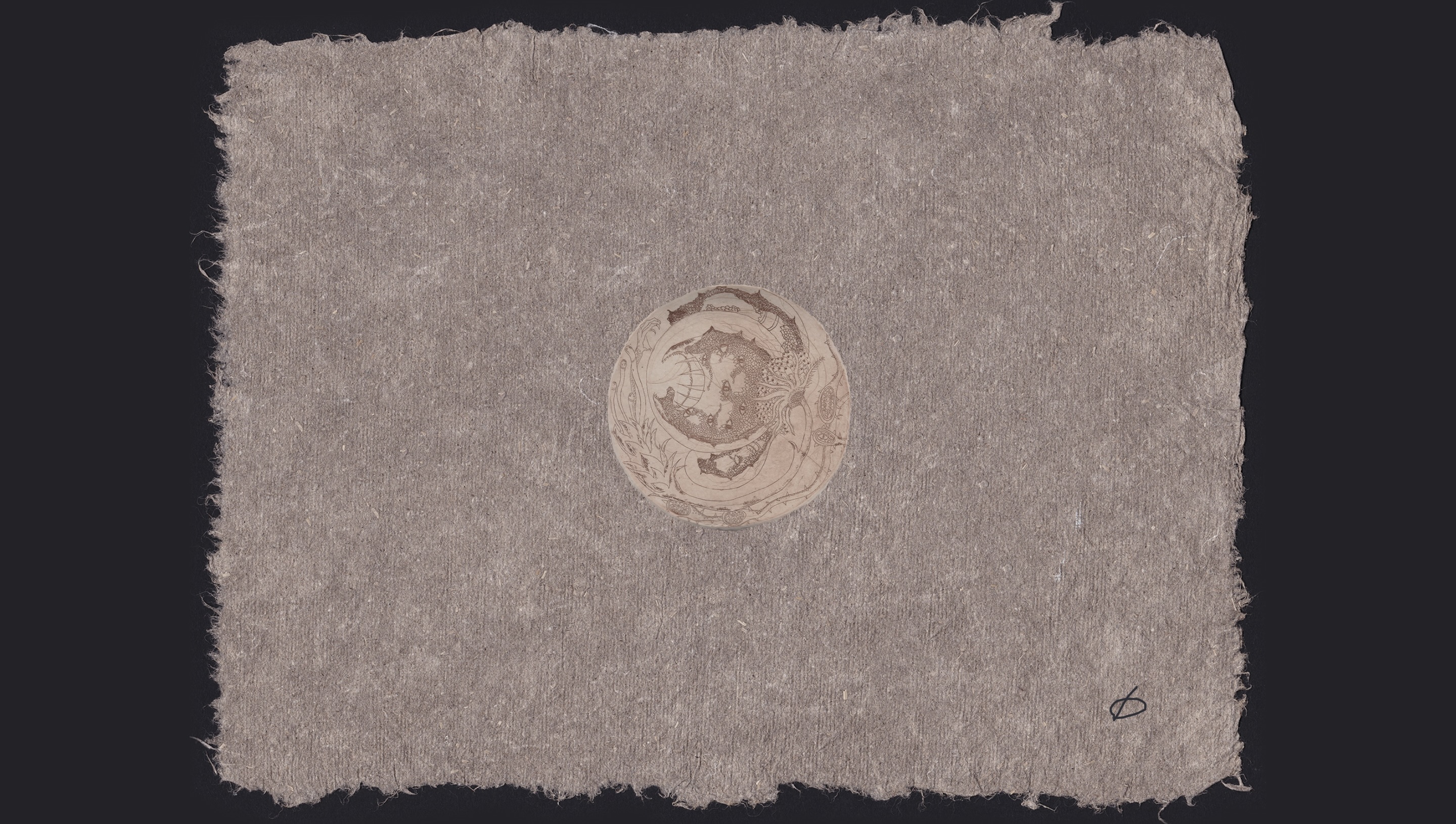
Sketchbook immersion
Since sketches shaped my design process, I wanted viewers to feel surrounded by them — full-screen, unframed, imperfect.
Discovery-based navigation
Only the sketches that turned into real pieces have hover overlays.
This keeps the journey clean and encourages curiosity.