To achieve this, we need to end our reliance on fossil fuels and invest in alternative sources of energy that are clean, accessible, affordable, sustainable, and reliable. Renewable energy sources — such as sunlight, wind, water, organic waste, and heat from the Earth — are abundant, replenished by nature, and emit little to no greenhouse gases.
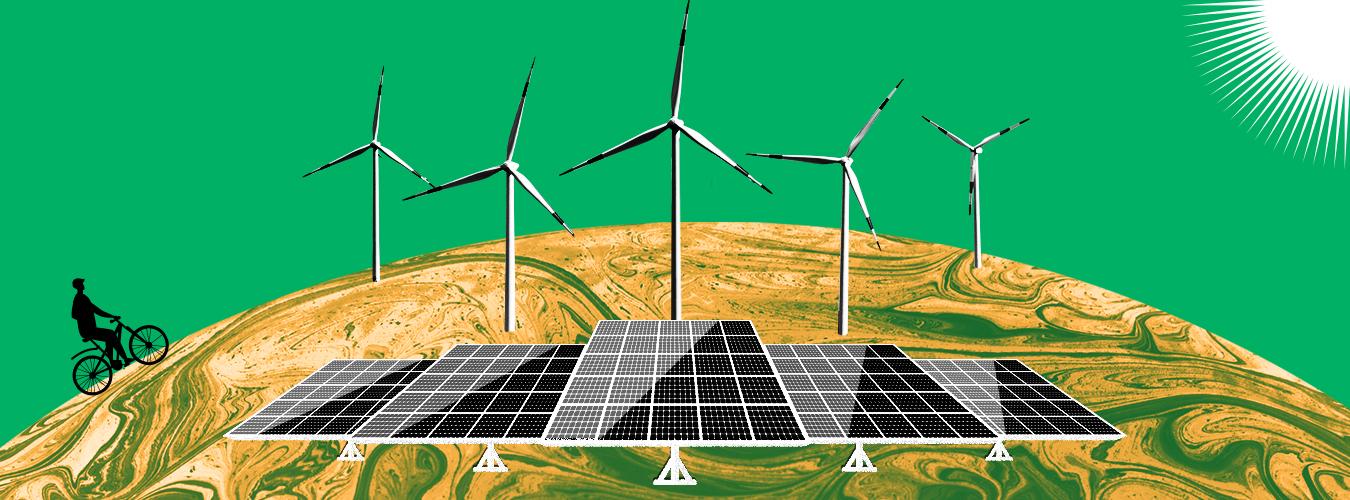
1. Renewable energy sources are all around us
About 80 per cent of the global population lives in countries that are net-importers of fossil fuels. In contrast, renewable energy sources are available in all countries, and their potential is yet to be fully harnessed. Renewables offer a way out of import dependency, allowing countries to diversify their economies and protect them from unpredictable price swings.
2. Renewable energy is cheaper
Today, renewable energy is the most affordable source of power in most parts of the world. Over 90 per cent of new renewable projects are now cheaper than fossil fuel alternatives. Solar and offshore wind are now significantly cheaper than traditional coal or gas.
3. Renewable energy is healthier
According to the WHO, about 99 percent of people in the world breathe air that exceeds air quality limits. Air pollution, primarily from fossil fuel combustion, is associated with 7 million premature deaths every year. Switching to clean sources of energy helps address both climate change and the public health crisis.
4. Renewable energy creates jobs
Clean energy sector jobs already outnumber fossil fuel jobs. For every dollar invested, renewable energy creates three times as many jobs as the fossil fuel industry. The transition towards net-zero emissions is estimated to result in a net gain of 9 million jobs globally by 2030.
5. Renewable energy makes economic sense
In 2024, $2 trillion went into clean energy. While the upfront cost can be daunting for many countries, investments in renewable energy pay off. Reducing pollution and climate impacts could save the world up to $4.2 trillion per year by 2030.