POLITICAL WEBSITE
PHILIPPINES FLOOD CONTROL CORRUPTION SCANDAL
CORRUPTION
IS A
.jpeg)
CRIME
AGAINST

HUMANITY
GOVERNMENT FLOOD PREVENTION PROJECTS
$20.3 BILLION
was reportedly invested in flood prevention projects over the past 10 years,
421
reported "completed" projects,
NONE
existed,
20 MILLION
people misplaced.
Crime Against Humanity
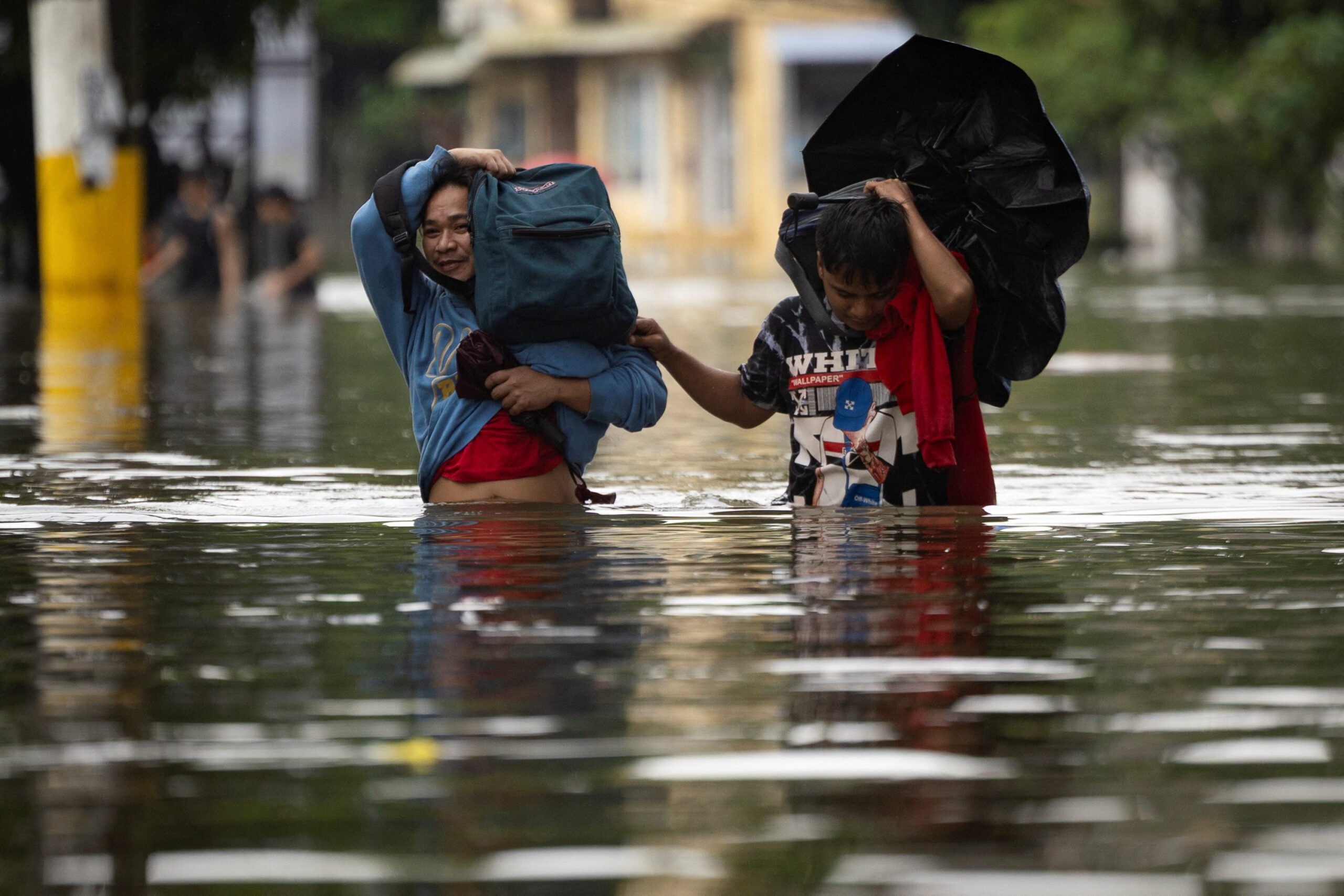
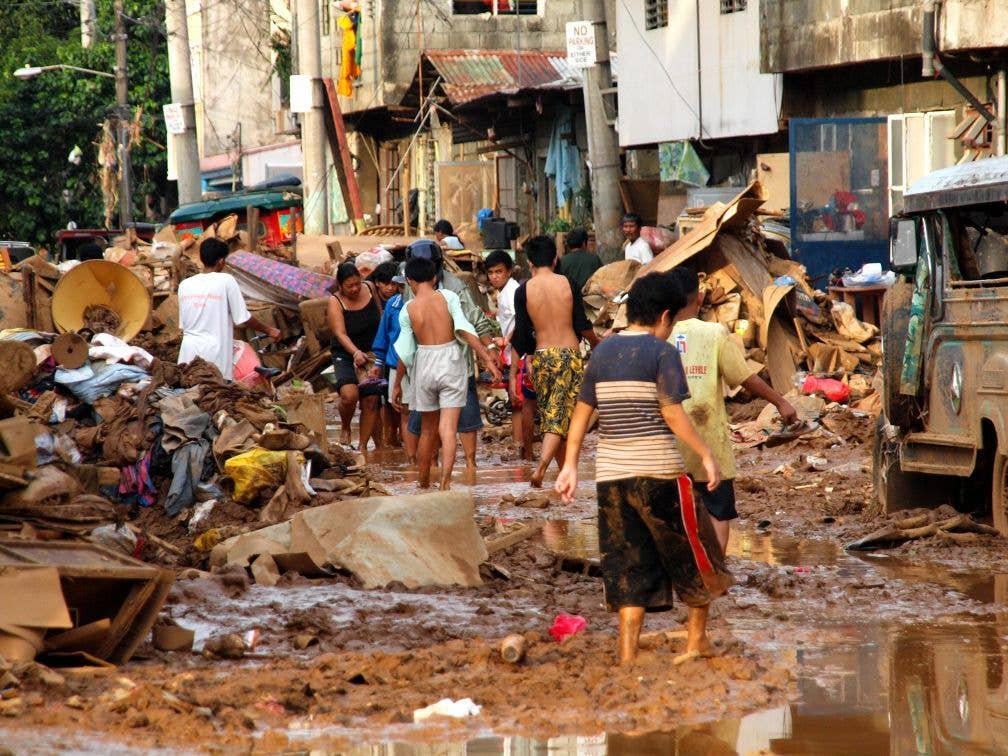
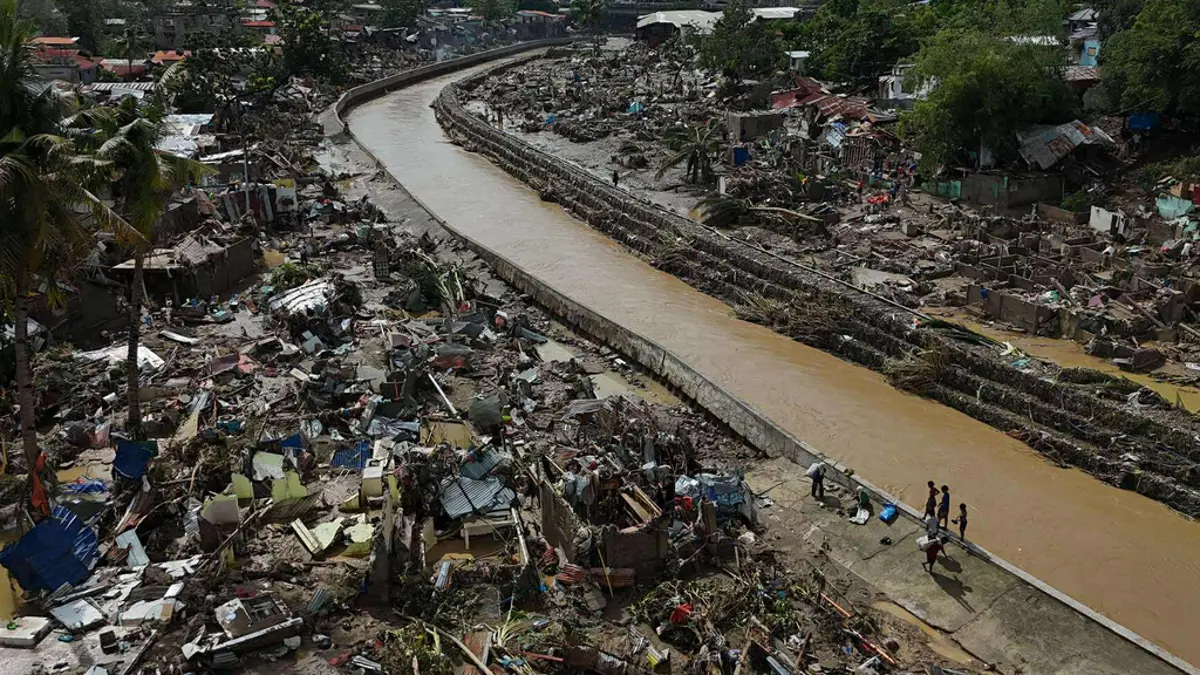
The Philippines endures systemic corruption and is facing national protests and riots over a major corruption scandal. Highly prone to typhoons and heavy flooding, the Southeast Asian country was recently struck by a series of devastating floods that resulted in significant loss of livelihood, widespread displacement, and destruction of thousands of homes.
The impact of the floods puzzled Filipinos given that the government invested over $20.3 billion USD in flood prevention projects over the past 10 years. It turns out much of these were "ghost projects." The projects did not exist.
First, the ghost projects were widespread, with at least 421 ghost projects marked as “completed” nationwide, but were in reality, nonexistent. While there is some evidence that suggests the corruption underlying the ghost projects is systematic, the fact that they were widespread alone fulfills this prong.
Second, the ghost projects were directed against the civilian population. The definition of “civilian population” under Article 7 is broad: where there is no armed conflict, the civilian population includes “all persons except those who have the duty to maintain public order and have the legitimate means to exercise force.” Non-civilians, for example, would include the police and the military.Therefore, here, the civilian population is regular Philippine citizens. The ghost projects could be said to be directed against Philippine citizens because politicians misused funds that deprived them of flood prevention, making them vulnerable to the disastrous impacts of typhoons.
Third and finally, the politicians and contractors behind the ghost projects had knowledge of the attack. This prong does not require the perpetrators to have intended the widespread attack against the civilian population; awareness is enough. Article 30(2)(b) of the ICC statute states that a person has intent “in relation to a consequence, [where] that person means to cause that consequence or is aware that it will occur in the ordinary course of events.”Here, the politicians and contractors had awareness because of the gross misuse of funds: up to 70% of flood prevention funds were lost due to corruption, and politicians and contractors knew or had to have at least been aware that without flood-control infrastructure, Philippine citizens would be left “deeply vulnerable” to the highly destructive typhoons that frequently hit the Southeast Asian country.This was supported by the fact that typhoons are no stranger to the Philippines; flood-control infrastructure offered a solution for decades. Thus, at the bare minimum, there was awareness of the attack.