A Century of Evolution
Originally bred in 19th-century Britain from Old English Bulldogs and Terriers, these animals were prized for their remarkable athletic endurance, work ethic, and extreme human-directed docility.
During the early 20th century, they transitioned seamlessly into the fabric of American culture as celebrated farm guardians, military mascots throughout World War I, and trusted household companions colloquially dubbed "nanny dogs" due to their patient affinity for children.
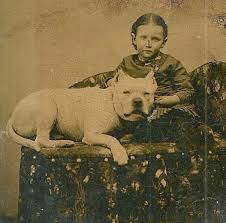
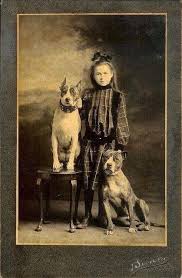
On the other hand, they were also used for bull and bear baiting. Bull baiting was eventually banned in 1835, and Pit Bulls were then pitted against rats. They got their name because they were placed in pits so that the animals couldn’t escape. After the US Congress amended the Animal Welfare Act of 1966 and made dog fighting illegal in all 50 states, more people would seek out Pitbulls for underground dog fights.
In the 1980s, media coverage started to focus on the dangers of Pit Bulls, which fed into the fear that people may have had of them. One of the consequences of bad press was the development of breed-specific legislation (BSL). BSL enabled states and cities to ban certain breeds because of their aggressive and dangerous reputations, and Pit Bulls were included in banned dog breed lists.