Who Pays The Price : Environmental Racism
What Is Environmental Racism?
While pollution is almost everywhere, certain communities are burdened with a disproportionate number of facilities that fill the air, soil, and water with contaminants. Typically found in Black, Brown, and Indigenous communities and low-income communities, industrial polluters such as landfills, trash incinerators, coal plants, and toxic waste dumps affect the well-being of residents. Their health is also often compromised due to a lack of access to healthy foods in their neighborhoods. Those who work on Environmental Justice issues refer to these inequities as environmental racism.
Environmental Justice (EJ) activists approach environmental protection in a different way than groups that focus solely on environmental issues. EJ activists consider the environment to be where “we live, work and play, learn, and worship as well as the physical and natural world” and act to right the wrongs of environmental racism. This form of racism is typically due to the intended or unintended consequences of regulations that may be selectively enforced or not enforced at all; the repercussions are negative impacts on the health and quality of life of Black, Brown, and Indigenous communities.[1]
When people hear about industrial pollution, most often think about factories with billowing smokestacks. However, the food industry, with its animal farms and slaughterhouses, can also be considered a major contributor of pollution that affects the health of Black, Brown, and Indigenous communities and low-income communities, because more often than not they locate their facilities in the areas where these people live.
Pollution from Pig Farms Among the corporations that harm the environment and the health of Black, Brown, and Indigenous communities and low-income communities are those that run pig farms. Research has shown that these farms are responsible for both air and water pollution, mostly due to the vast manure pits (which the industry euphemistically calls “manure lagoons”) that they create to hold the enormous amount of waste from the thousands of pigs being raised for food. Residents who live near these animal farms often experience headaches, irritation to their eyes, noses, and throats, nosebleeds, breathing problems, and heart conditions along with a decline in the quality of life, a decrease in property value, and increased incidents of depression, tension, anger, confusion, and fatigue.
In North Carolina, the number of pigs on factory farms nears the total population of people in the state.[10] [11] The contamination from North Carolina pig farms has yielded dangerous concentrations of groundwater nitrates, a leading cause of blue baby syndrome: a condition in which a baby’s skin turns blue due to insufficient oxygen in their blood, which can lead to death.[12] [13] [14] Hydrogen sulfide has also caused noticeable increases in respiratory ailments near these sites.[13] [5] And because of the location of these farms, those affected most are low-income Black, Brown, and Indigenous communities.[4]
In the southeastern part of North Carolina, approximately 10 billion gallons of fecal waste from pig farms is dumped into large open “lagoons” on the farms. The farms then “get rid of” the waste by spraying it into the air.[15] This air pollution from this appalling practice impacts the health of neighboring residents by causing “disruption of activities of daily living, stress, anxiety, mucous membrane irritation, respiratory conditions, reduced lung function, and acute blood pressure elevation.”[4] Black, Brown, and Indigenous residents in North Carolina are almost twice as likely to experience health issues from fecal waste being sprayed into the air due to the fact that they are more likely to live under three miles away from pig farms.[
Profits over People This is not an isolated example. Industry leaders prioritize profit over the wellbeing of these residents by intentionally placing facilities in their communities: because of the distinct connections between race and class in the United States, poor rural areas tend to house Black, Brown, and Indigenous communities and the land in these areas is cheaper. According to sociologists at Arizona State University, “Land use, housing segregation, racialized employment patterns, financial practices, and the way that race permeates zoning, development, and bank lending processes” are also fundamental drivers of environmental racism.[16] North Carolina is one example, but similar patterns exist in most major agricultural areas.
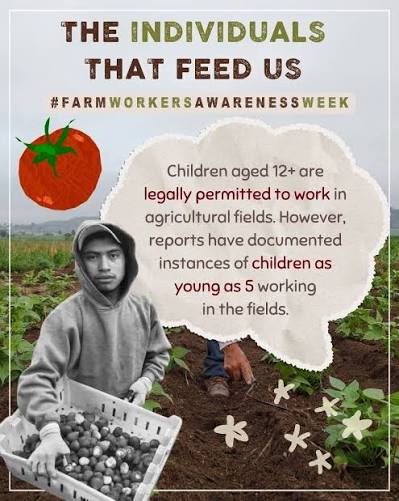
Corporations may also move into these rural areas either believing that the residents do not have the political will and won’t present obstacles, or that these low-income residents need the jobs and will not complain. Environmental Justice activists consider the latter reason to be a form of economic extortion—having to accept the negative health consequences and adverse effects on the environment in order to have a job.
Workers and their families are the most severely affected, but community health is also a big concern. Runoff from animal farms—containing a wide range of pathogens, antibiotics, and other toxic chemicals—can permeate aquifers and contaminate surrounding groundwater sources. Viruses can be transmitted from the workers in these facilities to their families and communities. Moreover, undocumented workers in meatpacking facilities and animal farms are often less willing to participate in health monitoring programs due to fear of legal consequences.