Lived Consequences
When the Thaw Reaches Everyday Life
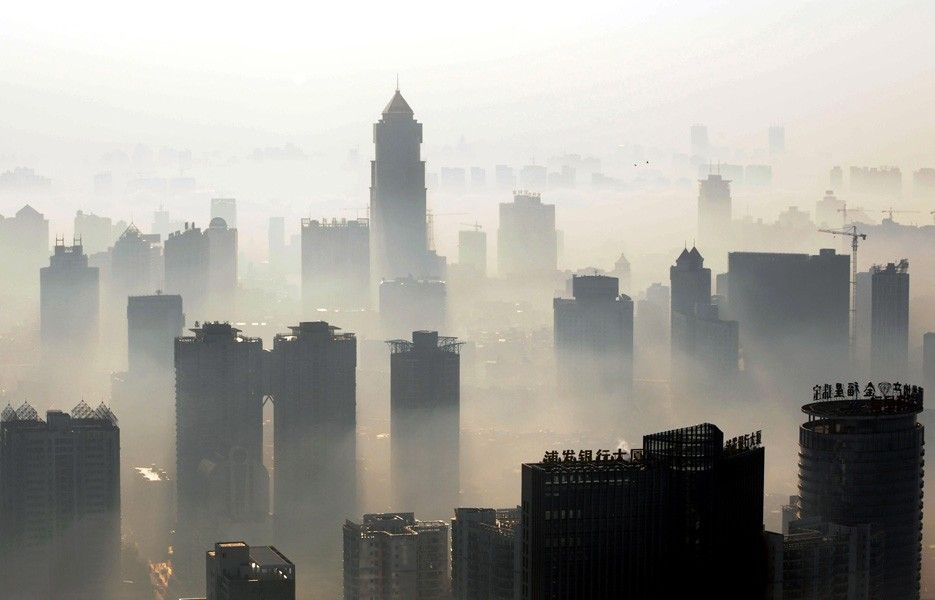
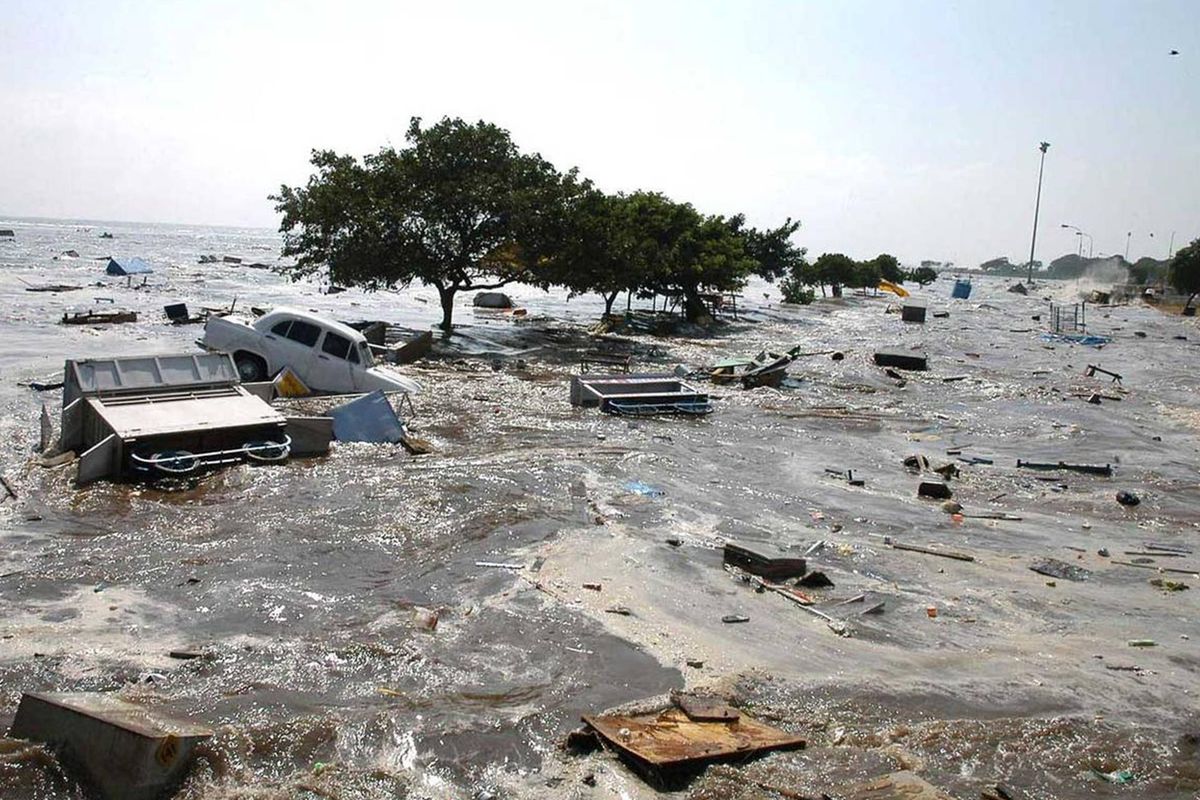
Climate change becomes most legible not in charts alone, but in the conditions of ordinary life. It appears in overheated apartments, smoke-filled air, damaged roads, rising costs, power outages, and forced displacement. The climate emergency is not only something we observe. It is something we inhabit.
Environment
Ecosystems lose rhythm.
Seasonal cycles shift. Water systems become less predictable. Ice loss, biodiversity decline, and ocean warming destabilize relationships that once seemed durable.
Daily Life
Infrastructure begins to fail under pressure.
What looks like a climate event is often also a housing crisis, a transit crisis, a labor crisis, or a public health crisis.
The Body
The emergency is physical.
Heat stress, smoke inhalation, exhaustion, and unsafe living conditions turn climate change into an embodied reality.
The thaw changes the meaning of place.
Some places become harder to insure, harder to cool, harder to rebuild, and harder to remain in. Climate change does not just threaten landscapes. It alters the stability of home.
Impact is never evenly distributed.
The same flood, heat wave, or fire does not affect every person equally. Risk is shaped by income, age, housing quality, and access to public protection.