Climate Justice
The Thaw Follows the Lines of Inequality
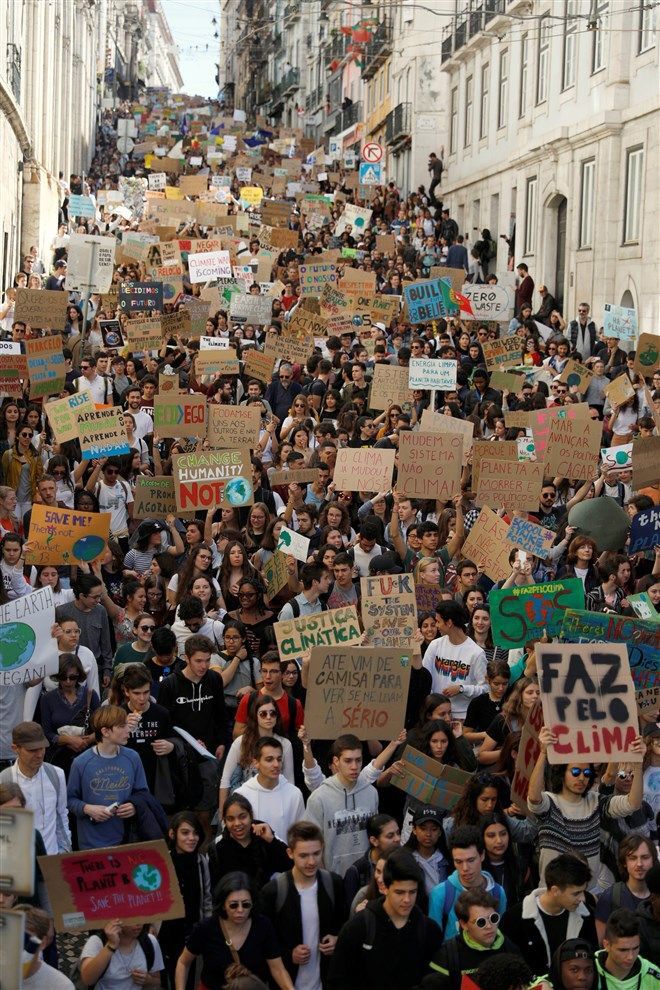
Climate change does not arrive on neutral ground. It moves through histories of extraction, segregation, disinvestment, and unequal protection. The emergency is shared globally, but exposure to harm is patterned. Some communities are forced closer to risk, while others remain buffered by wealth, infrastructure, and mobility.
Exposure
Exposure is structured.
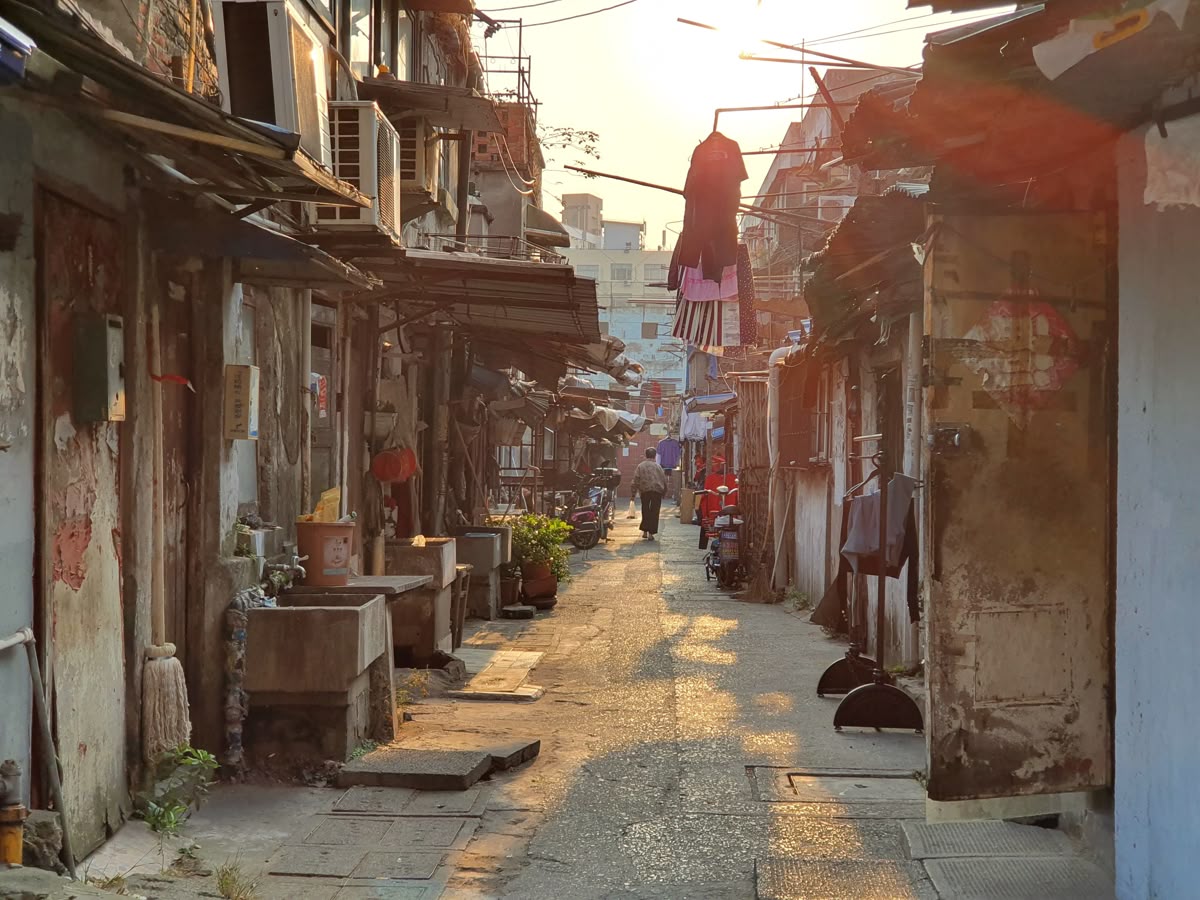
Communities with fewer resources are often placed in hotter neighborhoods, weaker housing, more polluted areas, and regions with less resilient infrastructure.
Recovery
Recovery is unequal.
The question is not only who is hit first, but who is able to leave, rebuild, insure, relocate, and recover.
Justice is part of climate response, not an addition to it.
A response focused only on emissions, without attention to labor, housing, migration, race, and public investment, remains incomplete.
The crisis reveals political values.
Every climate disaster raises the same question: whose safety is treated as urgent, and whose suffering is normalized.