BEHIND THE LABEL
About Clean Feed™
Clean Feed™ is a speculative wellness brand for your attention, not your body. It borrows the language of detoxes, nutrition labels, and “clean” routines — but instead of counting calories, it asks what we’re feeding our minds every time we scroll.
This project lives between satire and care: it’s not here to shame how you use your phone, but to make digital overload feel visible, nameable, and a little less normal.
WHY I MADE THIS
It started with feeling “full” for no reason
I kept noticing a pattern: I wasn’t physically tired, but my brain felt like it had eaten three fast-food meals in a row.
The more I paid attention, the more I saw how apps were built like buffets — endless, cheap, always one swipe away. “Digital obesity” became the way I described that feeling of being mentally stuffed but emotionally undernourished.
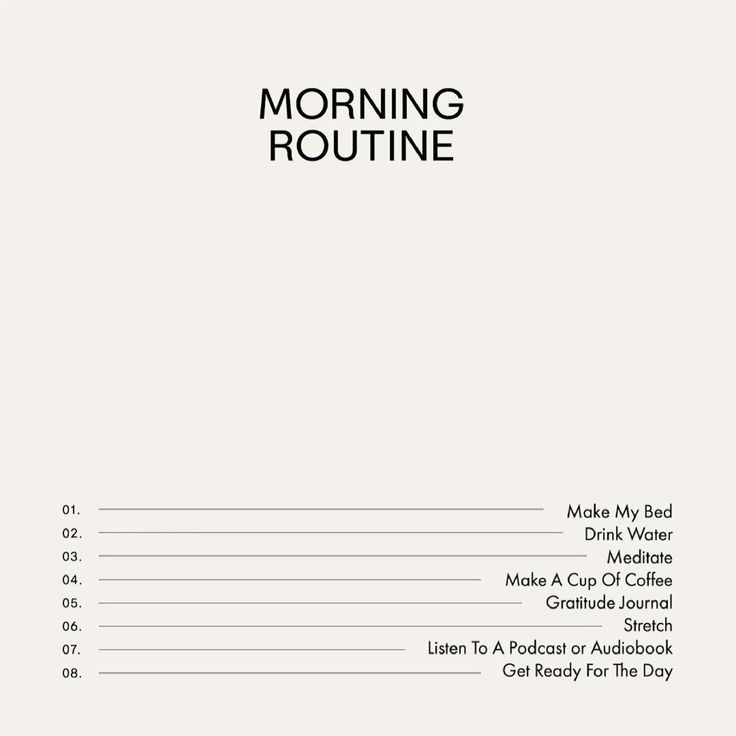
Clean Feed™ is my way of slowing that moment down. Instead of telling people to delete everything, it plays with wellness rituals we already know: detox plans, labels, daily routines. What happens if we treat our attention with the same care we give our skin, our food, or our workout plans?
HOW THIS PROJECT WORKS
From junk awareness to small pauses
Observe the junk
The site mirrors wellness packaging to point at the “junk food” logic of feeds — urgency, bundles, add-ons, endless refills.
Offer small pauses
Instead of banning screens, it offers micro-pauses, reflection prompts, and gentle detox plans you can actually try.
Shift the story
The goal isn’t perfect discipline. It’s seeing persuasive systems clearly enough that you can decide how much they get to shape you.
DESIGN INGREDIENTS
Methods
- Design research on digital habits and overload
- Mapping persuasive patterns across apps
- Prototyping small “pause” interventions
- User feedback from classmates and peers
Visual language
- Wellness and nutrition label aesthetics
- Soft, calm palette against loud content
- Packaging-style typography and icons
- Friendly, non-moralizing microcopy
CREDITS
Clean Feed™ was created as part of the CD: Interactions course at Parsons School of Design.
Role: research, concept, visual design, and coding by Maria Beatriz Rodrigues.
This project is not a real brand or product — it’s a provocation about how much content we’re expected to swallow every day.