An Overlooked Crisis

When Home Is No Longer Safe: Climate Change Is Forcing Millions to Relocate

Coastal erosion, extreme flooding, and retreating glaciers are forcing vulnerable communities to make a painful choice...

Global Hotspots: Key Case Studies

Below are selected examples of climate-driven migration, with images and stories. Citations and data sources can be added below each case.

Isle de Jean Charles, Louisiana, USA

Due to severe coastal erosion and land subsidence, this Indigenous community has launched a “managed retreat” relocation project.
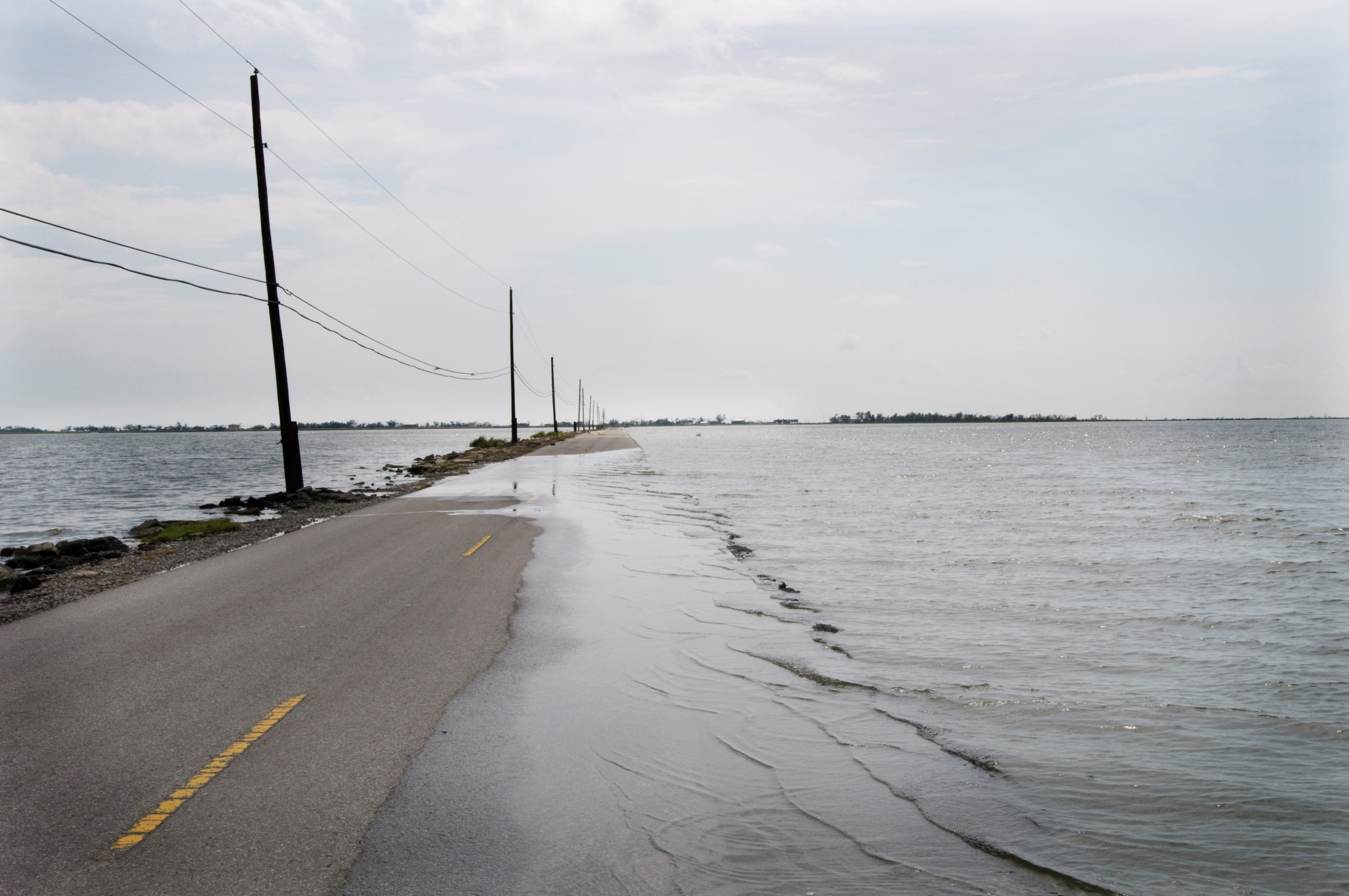
Flooded road leading into Isle de Jean Charles
Efforts include storm protection and ecosystem restoration, but rebuilding community ties after relocation remains challenging.

Coastal and Delta Regions, Bangladesh

Frequent storm surges and seasonal flooding are forcing rural populations to move to cities, leading to the rise of so-called “climate slums.”
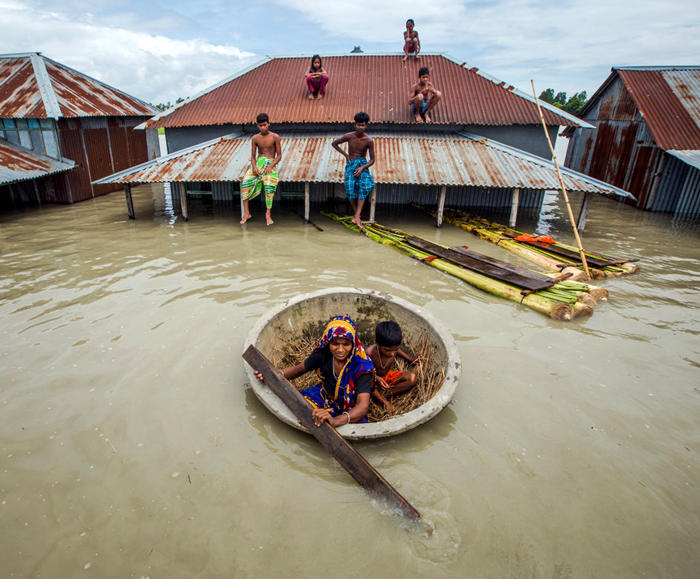
Floodwaters surrounding homes and boats in Bangladesh
Rapid urban migration puts immense pressure on infrastructure, housing, and job markets.

Andes Mountains, South America

Retreating glaciers are reducing water availability for communities, forcing some high-altitude villages to relocate or change their livelihoods.
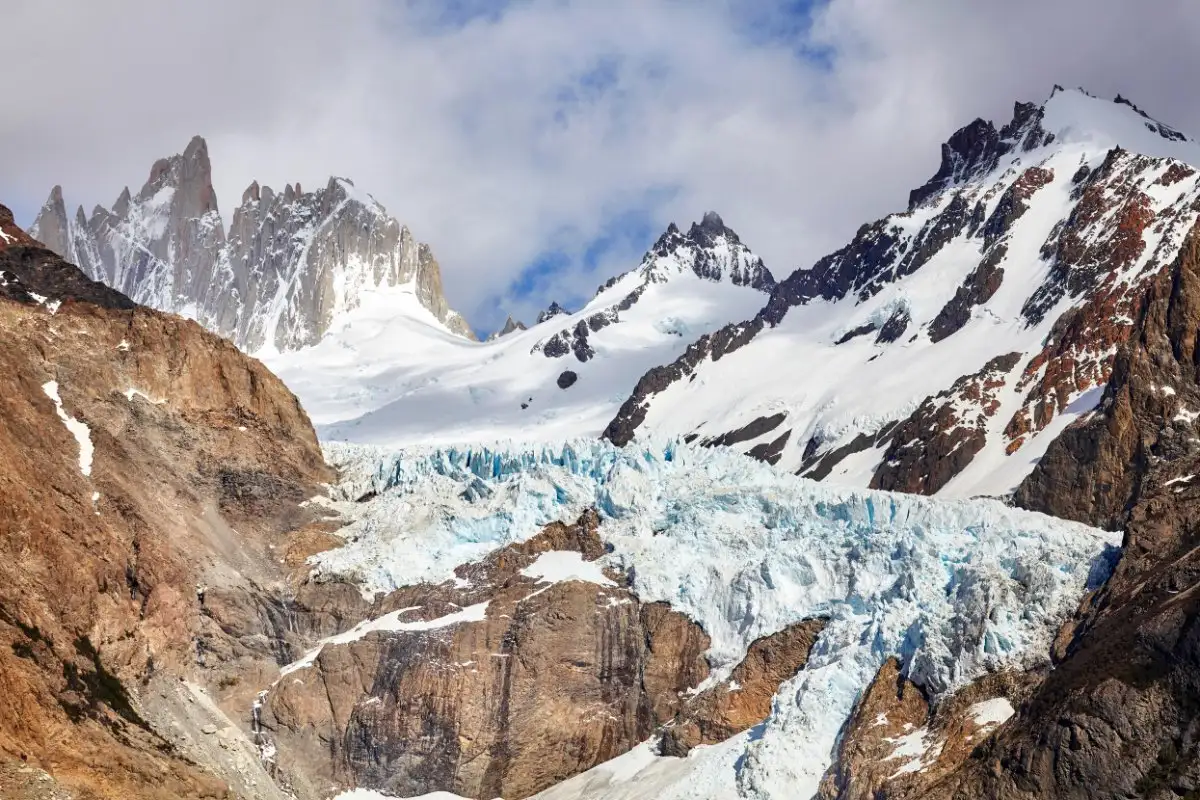
Melting glacier in the Andes Mountains
The loss of natural water reservoirs impacts irrigation, drinking water, and agriculture.

Watch: What can Climate Migration be done?

This video reminds us that climate change is forcing millions of people to migrate, and we must take urgent action to protect their rights and future.

Key Terms

  • Climate Migration: Movement triggered by climate impacts, whether voluntary or forced.
  • Managed Retreat: A planned, strategic relocation of communities away from high-risk areas.
  • Compound Risk: The interaction of climate, social, and economic factors that increase vulnerability.
Legal Gap: “Climate refugees” are not officially recognized under current international law, leaving millions without legal protection.