Prevention: Reducing the Need to Relocate

  • Mitigation: Transition to clean energy, improve energy efficiency, and shift to low-carbon transportation.
  • Nature-based Solutions (NbS): Restore mangroves and wetlands, and build natural coastal buffers.
  • Risk Zoning: Restrict new development in high-risk areas and promote resilient building design.
Every $1 invested in disaster prevention can save multiple times that amount in future relocation and recovery costs.

Planned Relocation & Adaptation

  • Managed Retreat: Plan relocation timing, compensation, cultural preservation, and land restoration in advance.
  • Prepared Sites: Build water, sanitation, and power infrastructure first, and ensure schools and healthcare are available.
  • Livelihood Support: Offer vocational training, microloans, and new employment opportunities.
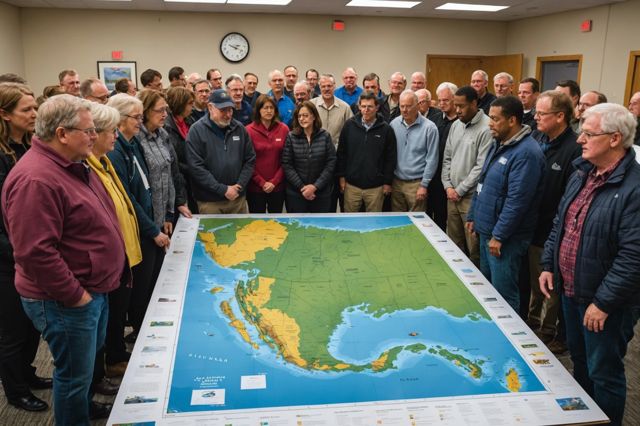
Community members participating in relocation planning and mapping
Community involvement shifts people from “relocation subjects” to “co-creators.”

Policy and Financing Innovation

  • Legal: Explore new legal pathways for recognizing climate migrants and strengthening cross-border cooperation.
  • Funding: Establish local relocation and resilience funds and scale up multilateral financing.
  • Planning: Include migration capacity in urban and national development plans.
  • Monitoring: Create open data platforms to improve transparency and track project performance.

Global Examples

New Zealand

Developing relocation policies that support Pacific Island communities displaced by rising seas.
Germany

Prioritizing long-term adaptation strategies, stormwater management, and sustainable urban renewal.

Coastal City Transformation

Combining seawalls, tidal wetlands, and flexible shoreline zoning to balance ecology with disaster prevention.

Actions for Individuals and Communities

  • Check flood and storm surge risk maps in your area and consider disaster insurance.
  • Participate in community planning meetings and support nature-based protection projects.
  • Reduce your household carbon footprint: use public transit, upgrade energy efficiency, and switch to renewable power.