Water and Sanitation
New settlements often lack safe water sources and sewage systems. Limited access to drinking water, sanitation, and waste disposal can lead to public health crises.
New settlements often lack safe water sources and sewage systems. Limited access to drinking water, sanitation, and waste disposal can lead to public health crises.
Connecting to power grids and ensuring stable electricity is expensive. Poor-quality materials and overcrowded housing increase safety and health risks.
The absence of legal recognition for “climate refugees” means there is no clear framework for cross-border relocation or domestic resettlement, often leading to conflicts over property or residency status.
Many migrants find their previous skills no longer relevant. Without access to training, microloans, or job opportunities, informal and unstable employment becomes common.
Cultural differences, discrimination, and the breakdown of community ties can lead to social isolation and psychological distress. Support systems are often inadequate.
Poor coordination between government agencies, long project timelines, and budget overruns reduce public trust and delay recovery.
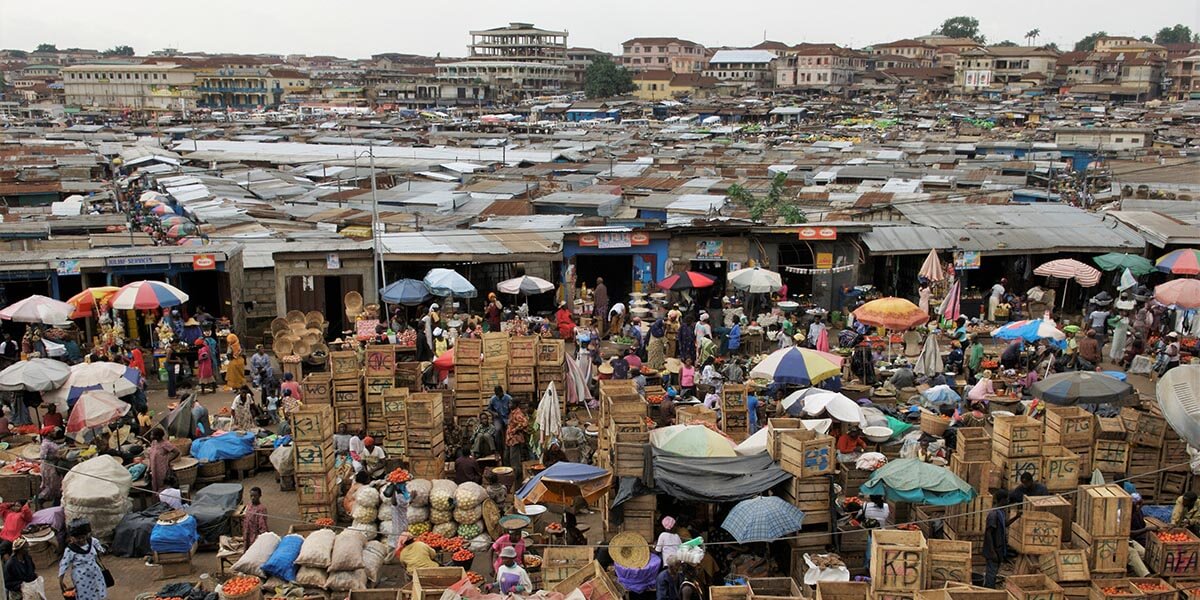
After major floods, large numbers of rural residents move into cities, forming dense informal settlements. These areas often lack water, sanitation, electricity, and fire safety.
Projects like Isle de Jean Charles show that without sufficient funding, transparent communication, and cultural continuity, relocation progresses slowly and public trust erodes.
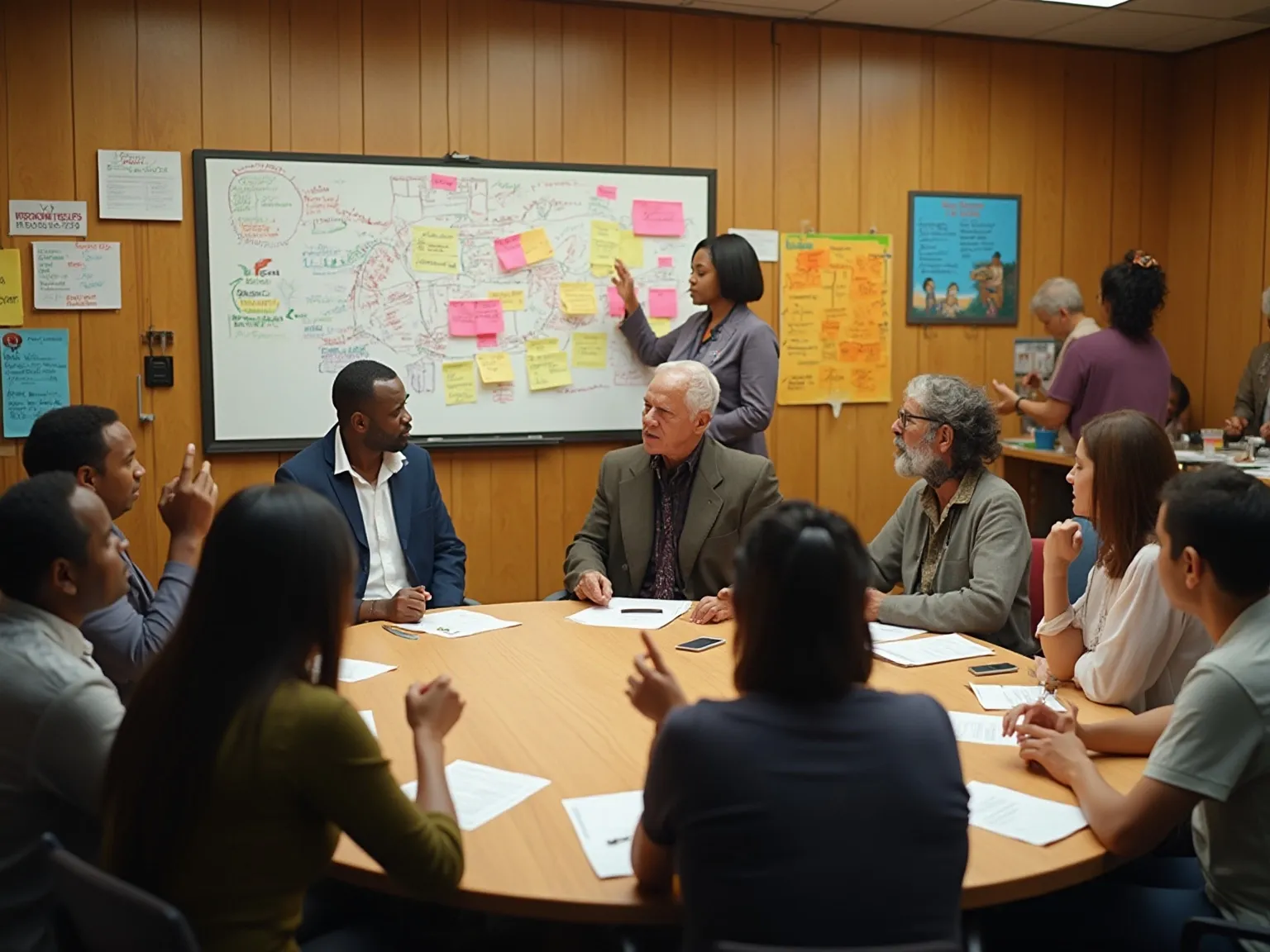
| Country / Region | Climate Migrant Recognition | Funding Tools | Planning Approach | Notes |
|---|---|---|---|---|
| New Zealand | Partial pathways | Climate Resilience Fund | Coastal zoning, managed retreat | Focus on Pacific island mobility |
| Germany | No legal status | Federal-State joint funding | Long-term adaptation strategies, urban renewal | Primarily adaptation-focused |
| Pacific Islands | Regional agreements in progress | Primarily multilateral aid | National relocation planning, sovereignty concerns | Unique challenges with statehood and citizenship |